February 19, 2026
Auto body shops play a crucial role in restoring vehicles post-collision. This article delves into the step-by-step processes and services these shops provide, ensuring vehicles are safe and visually appealing once again. From initial assessments to final quality checks, the work performed is both comprehensive and detailed, often going unnoticed by the average car owner.
1. Initial Assessment and Estimate
The initial assessment is a critical first step in the repair process at auto body shops. During this stage, technicians conduct a meticulous visual inspection to gauge the extent of the damage inflicted upon the vehicle. This inspection is thorough, as every scratch, dent, and misalignment must be documented and understood to inform the upcoming repair strategy. Photos and notes are taken rigorously to ensure that nothing is overlooked; this documentation serves a dual purpose. It not only assists in forming a precise repair plan but also provides necessary evidence to coordinate with insurance companies, ensuring transparency and alignment with the required repairs.
Customer communication is another pivotal aspect of the assessment and estimate stage. Auto body shops ensure that car owners fully comprehend the proposed repair plan, including the estimated timeline and any potential challenges that might emerge. Given that 57.81% of the collision repair market share in North America for 2024, according to DIFM (Do It For Me) services, it highlights the importance of clear communication, as most customers rely entirely on the shop to handle the intricacies of the repair process. Keeping customers informed fosters trust and confidence, which is beneficial, especially when unforeseen challenges arise during repairs. Regular updates are provided to manage expectations and ensure customer satisfaction at every step of the journey.
2. Structural and Mechanical Repairs
Once the assessment phase is complete, attention shifts to structural and mechanical repairs, where the vehicle's integrity and functionality are prioritized. The first aspect here is frame alignment, crucial for vehicles that have sustained a significant impact. Advanced alignment machines are used to precisely measure the vehicle's frame and adjust it back to factory specifications. This step is vital for ensuring the vehicle's safety and performance, as even minor misalignments can lead to uneven tire wear, steering issues, or compromise the vehicle's crash safety in future collisions. Ensuring this foundational aspect of the vehicle is meticulously corrected sets the stage for subsequent mechanical repairs.
Mechanical components undergo a detailed inspection from auto body shops, focusing on critical systems like brakes, engine mounts, and steering systems. Technicians use diagnostic equipment to uncover any underlying issues that may not have been initially visible. Following the inspection, necessary mechanical repairs are performed, addressing any defects identified. This stage is essential to restore the vehicle's operational integrity, ensuring that it is not only cosmetically repaired but also mechanically sound. Replacing damaged parts with new or certified used replacements is an integral part of this operation, as restoring part functionality is crucial for the car's safe and reliable performance.
3. Cosmetic Repairs and Painting
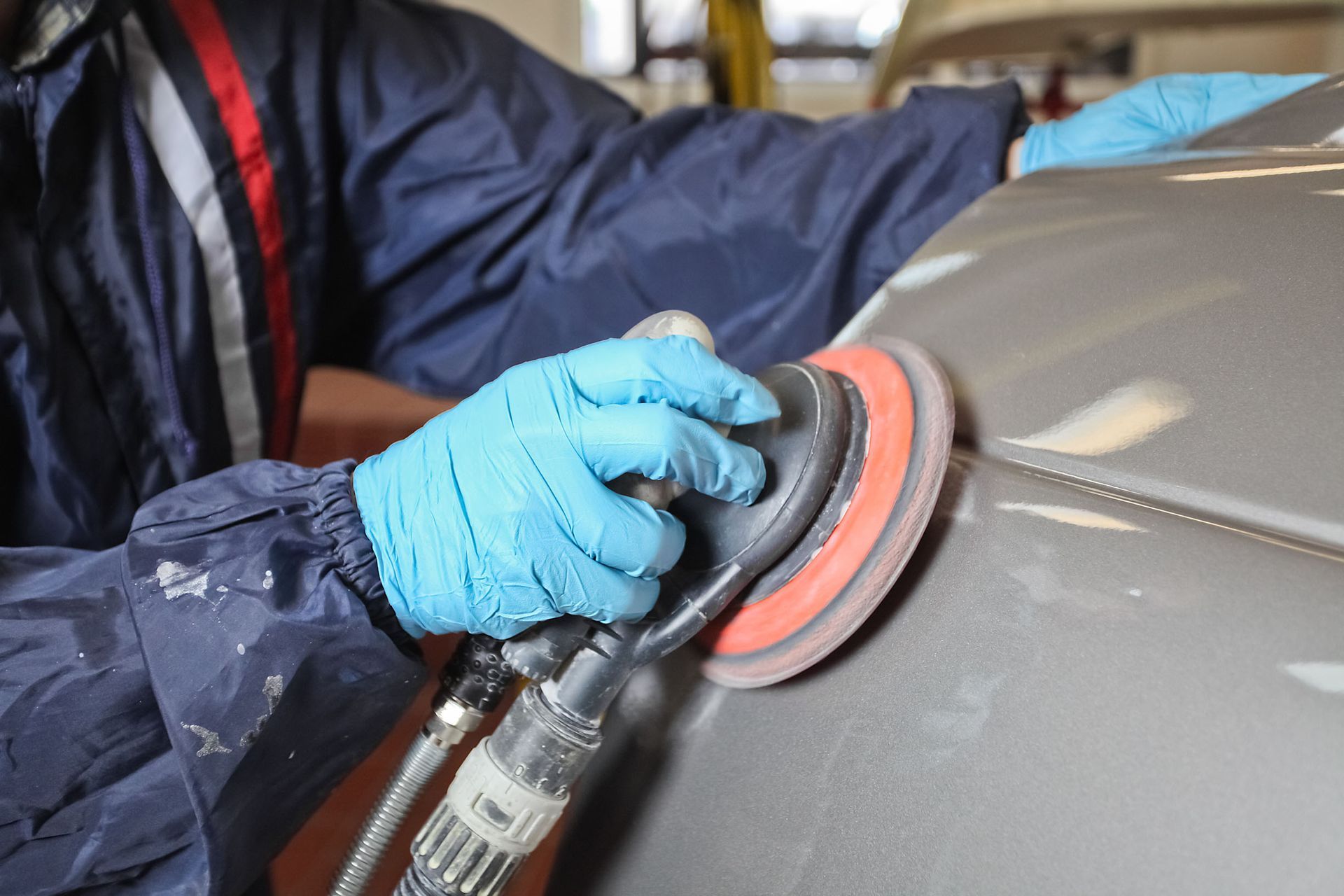
With mechanical aspects addressed, the focus shifts to cosmetic repairs and painting, which restore the vehicle’s aesthetic charm. Surface preparation begins with the cleaning and sanding of damaged areas to remove any contaminants and prepare the surface for painting. This is a meticulous process, as any imperfections left untreated can become more pronounced post-painting. Technicians at auto body shops aim for a flawless base to ensure a smooth and even finish. Proper surface preparation is fundamental in preventing future issues like paint chipping or peeling, thus enhancing the longevity and appeal of the final paint job.
Color matching is a nuanced part of the cosmetic repair process, requiring both skill and technology. Technicians employ computerized systems to match the vehicle’s original paint color with precision. This step is vital for maintaining the vehicle's resale value, as inconsistent paint can suggest subpar repair work to future buyers. The depth and richness of the original hue must be replicated to ensure the repaired area is indistinguishable from the rest of the vehicle. The technology used in color matching bolsters customer satisfaction by delivering a seamless and professional finish on every repaired vehicle.
4. Reassembly and Detail Work
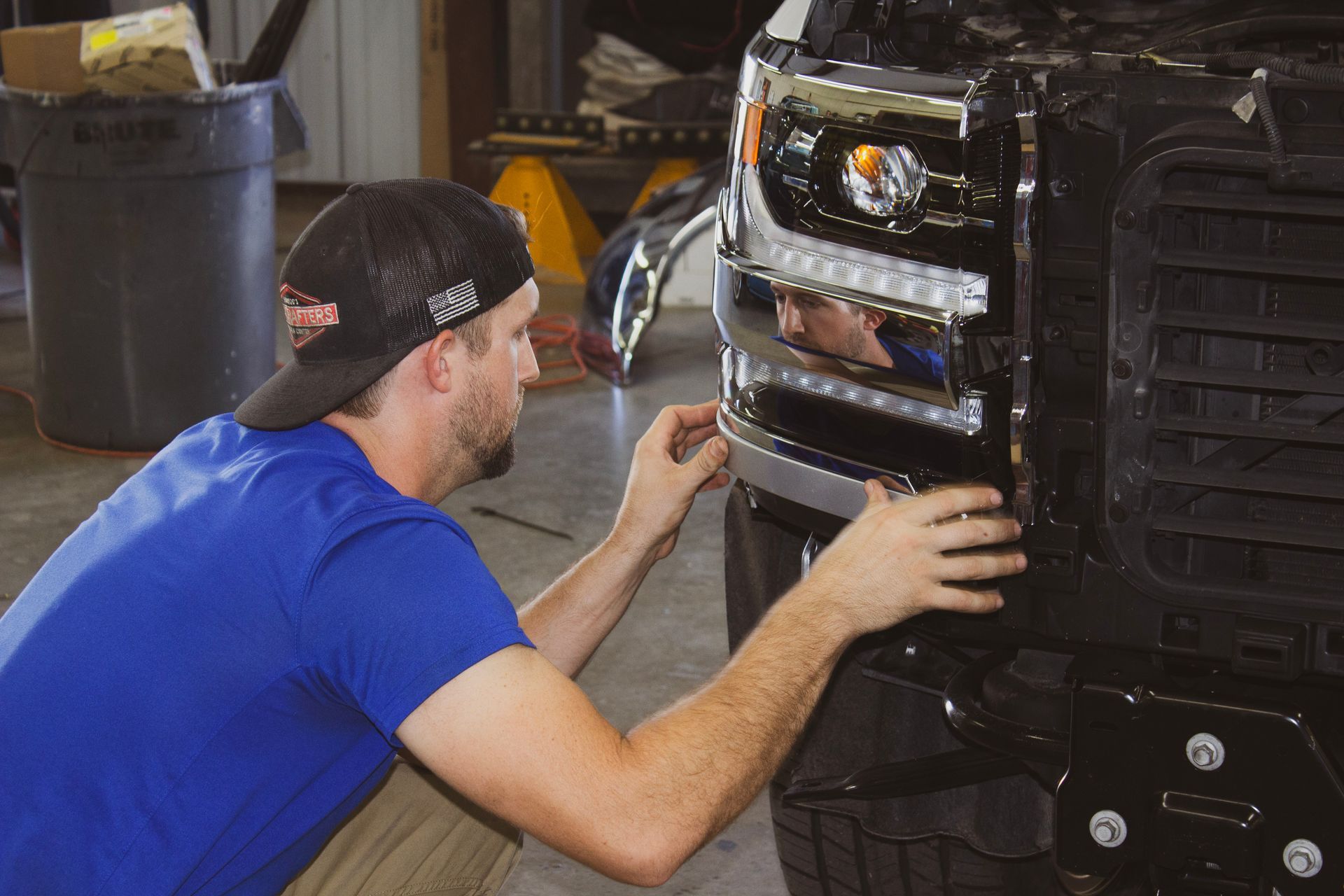
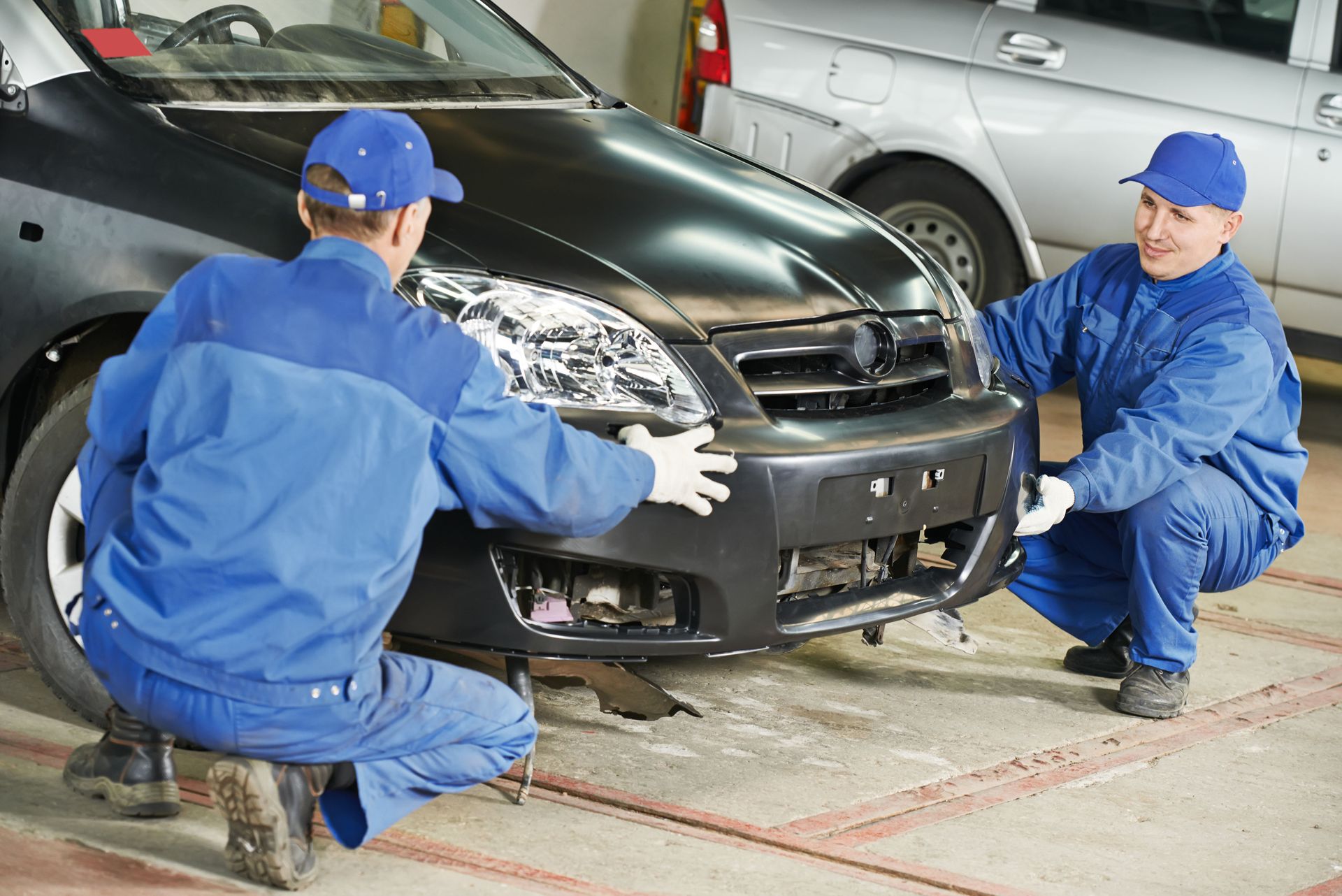
After completing cosmetic repairs, the next phase is reassembly and detail work, where the vehicle begins to take its finalized post-repair form. Reinstallation of repaired or new parts is performed with care, ensuring all components are securely fitted. Attention to detail is paramount as technicians confirm the alignment and fitment of parts, reviewing their work against manufacturer standards to maintain vehicle integrity. Every component, from panels to trim pieces, is scrutinized to ensure the vehicle is structurally sound and visually cohesive. This stage is crucial for re-establishing the vehicle’s original form and function, providing a seamless transition to the detailing phase.
Detailing is where the vehicle receives a thorough aesthetic enhancement, both internally and externally. Interior detailing restores the cabin to a like-new condition, addressing any debris or dust accumulated during repairs. Vacuuming, steam cleaning, and conditioning of surfaces ensure the interior is refreshed and pleasant upon vehicle return. Exterior detailing involves cleaning, waxing, and polishing the vehicle to enhance its shine and protect the paintwork. These final touches are designed not only to improve aesthetics but also to protect the surfaces, adding a layer of durability against future wear.
The final aspect of this phase includes accessory installation and quality control checks to ensure all elements of the repair meet established standards. Accessories such as decals or trim are carefully reapplied, maintaining the vehicle’s intended design. Rigorous quality control checks confirm that the repaired vehicle's mechanical and cosmetic aspects align with industry standards before completion. Technicians sign off on each step, reinforcing commitment to high workmanship standards. By ensuring every detail is attended to, auto body shops uphold their reputation for excellence and reliability in repairs.
5. Safety Checks and Test Drives
The culmination of the repair process focuses on safety checks and test drives to verify repair authenticity and safety. Safety features verification is conducted to ensure all systems, such as airbags and seatbelts, are functioning properly. This verification is critical, as these components are life-saving devices that must operate flawlessly in the event of another collision. Alignment and balancing tests provide a further layer of safety assurance. Wheels are scrutinized to confirm they are appropriately aligned and balanced, thereby ensuring that the vehicle handles properly and offers a smooth driving experience.
Test drives are integral for confirming that all repairs meet operational safety standards before the vehicle is returned to the owner. During a test drive, technicians are attuned to any uncommon noises or handling issues, using their expertise to pinpoint any areas that may require further attention. A noise and vibration check is part of this evaluation, helping technicians identify issues that might not appear during static inspections. Addressing these issues preemptively is crucial for delivering a vehicle ready to provide safe and reliable transport. These dynamic tests are conducted with precision, reflecting the high standards of quality assurance within the auto body repair industry.
Auto body shops do far more than simply fix dents and scratches—they restore both the safety and beauty of your vehicle. From the initial assessment to final test drives, every step is carefully executed to ensure your car drives, looks, and performs as it did before the collision. By relying on experienced technicians, you can trust that your vehicle is in capable hands, giving you peace of mind on the road.
If your car has been in an accident or needs cosmetic or mechanical repairs, don’t wait—contact Haywood's Autocrafters Collision Center today to get your vehicle back to its best condition.