January 7, 2026
Auto collisions are stressful events that often leave vehicle owners puzzled about next steps. Understanding the process of auto collision repair can alleviate some of this stress. This article provides a comprehensive outline of essential questions to ask when your vehicle is in need of repair, ensuring you are informed and prepared. With auto collisions being so common, knowing what to ask can significantly impact the repair outcomes and restore peace of mind. By delving deep into these insightful questions, vehicle owners can make more informed choices and handle the post-collision scenario with greater confidence.
1. What Certifications and Experience Do You Have?
Certified technicians are vital in ensuring that auto repairs are done accurately and to manufacturer standards. Certification from recognized organizations such as ASE (Automotive Service Excellence) highlights the technician's competence and commitment to high standards. When visiting an auto repair shop, it’s essential to check whether their technicians hold such certifications. Certified technicians are usually trained to tackle a wide array of issues that occur after a collision. Their knowledge and skills can make a significant difference in the quality and safety of the repairs carried out on your vehicle.
Manufacturer-endorsed training ensures that technicians have specialized expertise with specific vehicle brands. Such training often involves understanding the unique technologies and repair protocols for different makes and models. This is particularly important as automotive technology becomes more advanced and proprietary in nature. Having technicians trained by the manufacturer means they use techniques and materials that meet strict guidelines. This kind of training not only enhances repair quality but also ensures that any warranties remain valid post-repair.
The number of years a shop has been in business can be a good indicator of its reliability and reputation. Established businesses often have a proven track record of customer satisfaction and quality repairs. When evaluating a repair shop, consider both the business's longevity and the collective experience of its staff. Companies that have weathered the test of time likely possess valuable industry insights and refined auto collision repair processes. While newer shops may offer excellent service, those with longer histories may instill more confidence in the potential repair outcome.
Having experienced technicians who specialize in repairing your specific vehicle make can lead to better precision in repairs. This experience translates into an understanding of common issues and optimal solutions for each make. Technicians familiar with specific brands know which areas to inspect more rigorously and which components need special attention. Experience with a particular vehicle type ensures efficient and effective auto collision repair processes, limiting potential issues down the line. Choosing shops or technicians with such specialization can be a beneficial strategy to achieve high-quality repair results.
2. What Is the Repair Process?
The repair process commences with a thorough initial assessment to evaluate the extent of the damage. During this stage, technicians examine both visible and hidden damages to provide an accurate repair estimate. An understanding of the assessment process can enable you to budget appropriately for potential auto collision repair repairs. Technicians use various diagnostic tools and the latest technology to assess damages thoroughly. A transparent and detailed estimation provides clarity on the expected costs and timeline for the repair work ahead.
Following the initial assessment, the vehicle often undergoes disassembly to inspect underlying damage. This step is vital as some damages might not be initially visible. Hidden damages, such as those affecting the vehicle's structural integrity, can significantly impact repair strategies. According to Amica Insurance, around 1.7 million rear-end collisions take place in the U.S. each year, many resulting in unseen damages that require detailed inspections in these stages. Hence, a meticulous disassembly and inspection stage ensures a comprehensive understanding of the vehicle's damage state before proceeding to auto collision repairs.
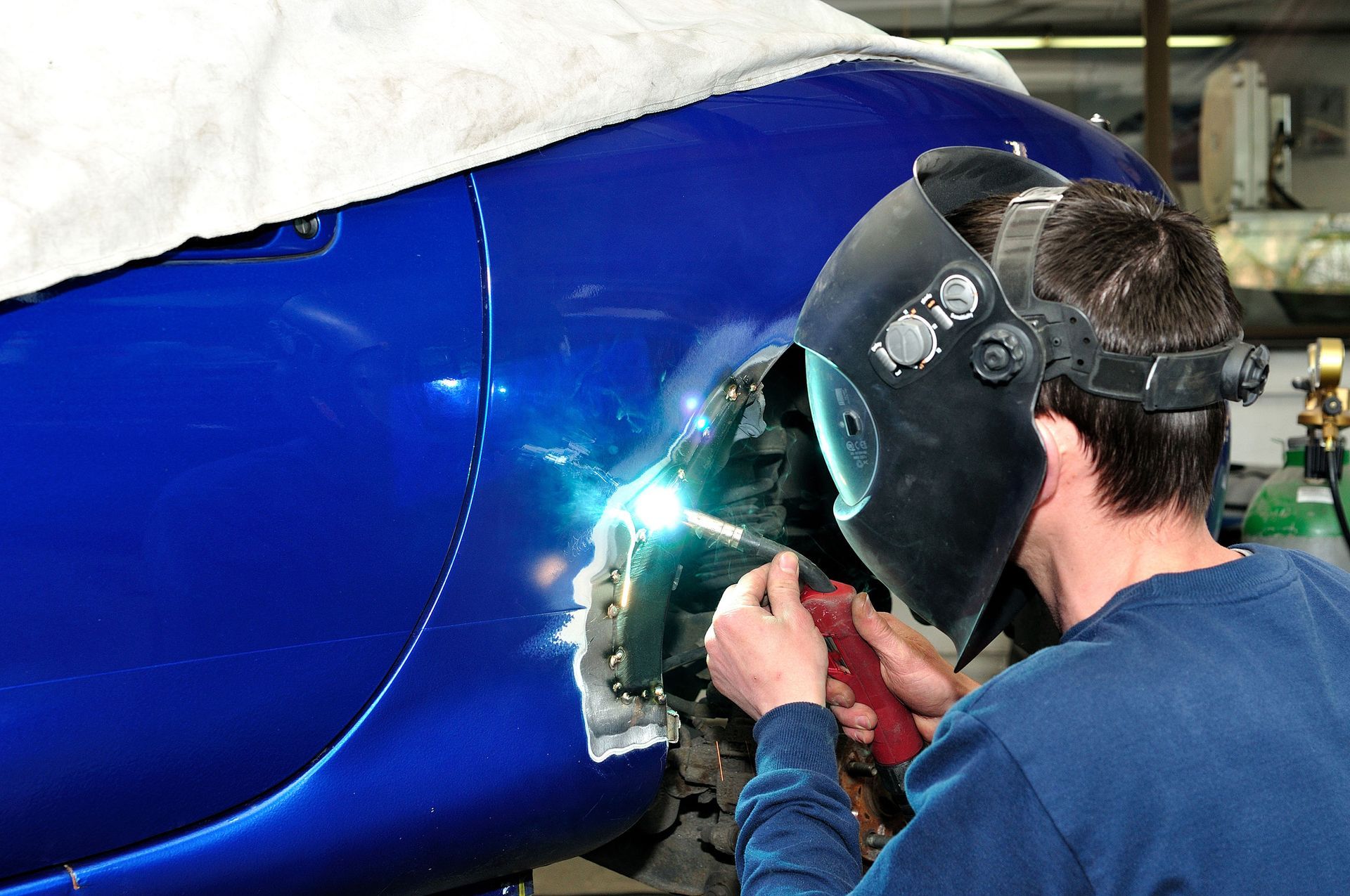
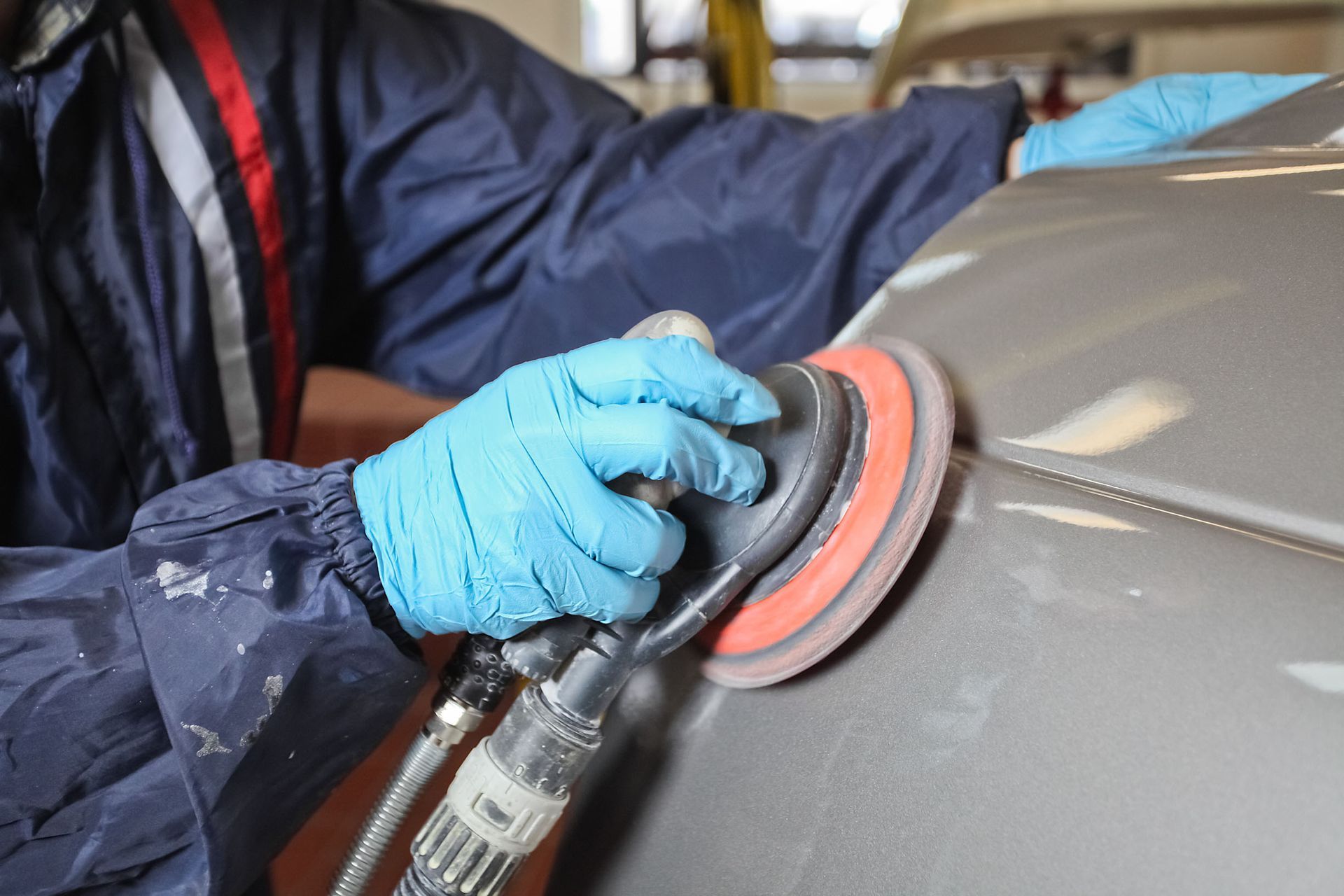
Once damage assessments are complete, the auto collision repair process transitions into executing necessary repairs and refinishing. Modern repair techniques might involve the use of advanced materials and equipment to ensure quality results. Technicians work on structural repairs, parts replacement, and refinishing techniques to restore the vehicle's appearance and function. This stage requires keen attention to the vehicle's original specifications to ensure restored performance and aesthetics. Effective repair techniques lead to a seamless integration of replaced parts, making the vehicle look and run like new.
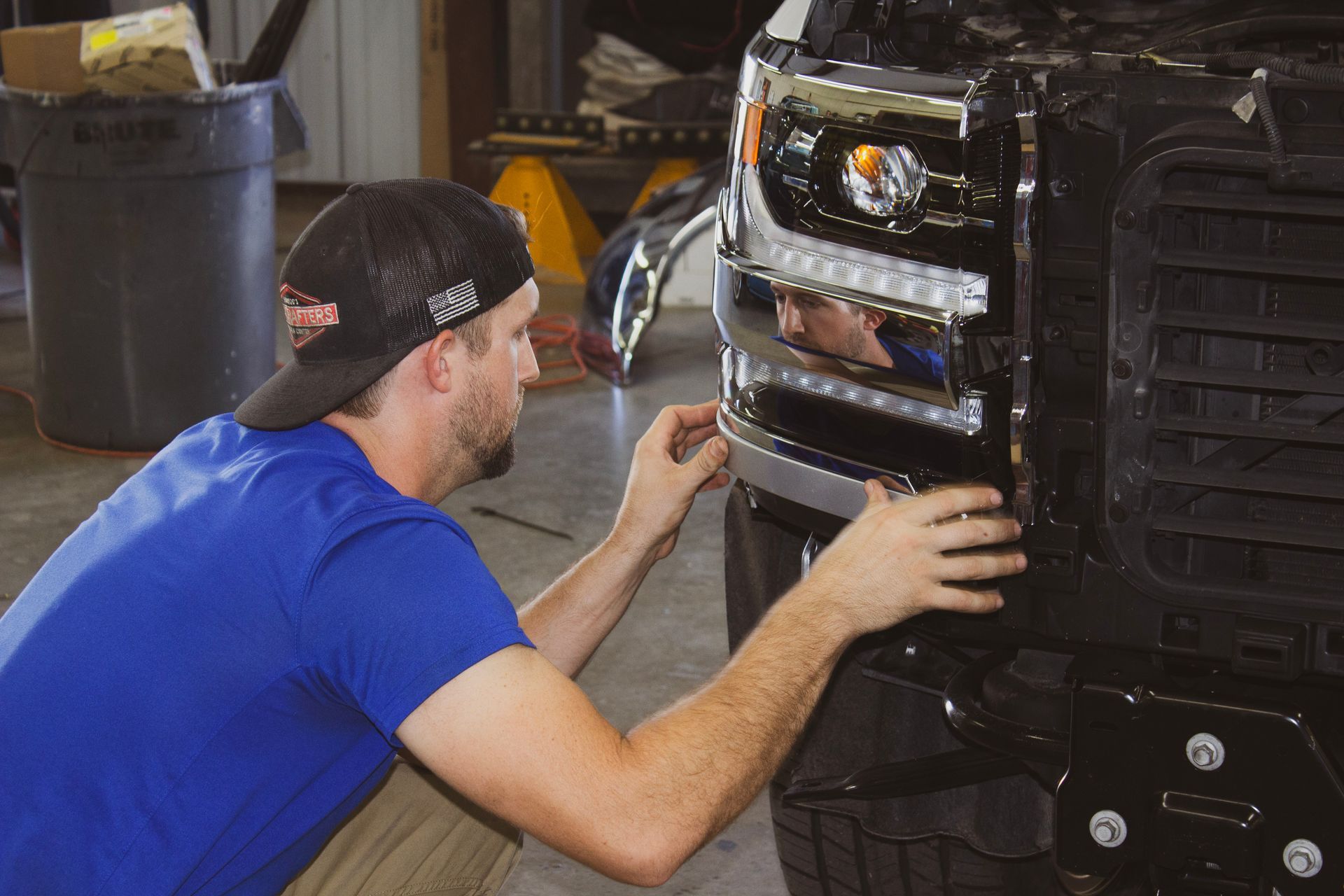
The quality control and final inspection phase is critical to ensure all repairs meet safety and quality standards. This stage involves detailed checks and balances to ensure repairs adhere to industry best practices. A comprehensive final inspection ensures all systems function correctly and meet pre-collision standards. Quality control checks may include test drives and inspections by multiple technicians, providing an added layer of assurance. Ultimately, this thoroughness ensures you receive your vehicle in the best possible condition.
3. What Type of Parts Will Be Used?
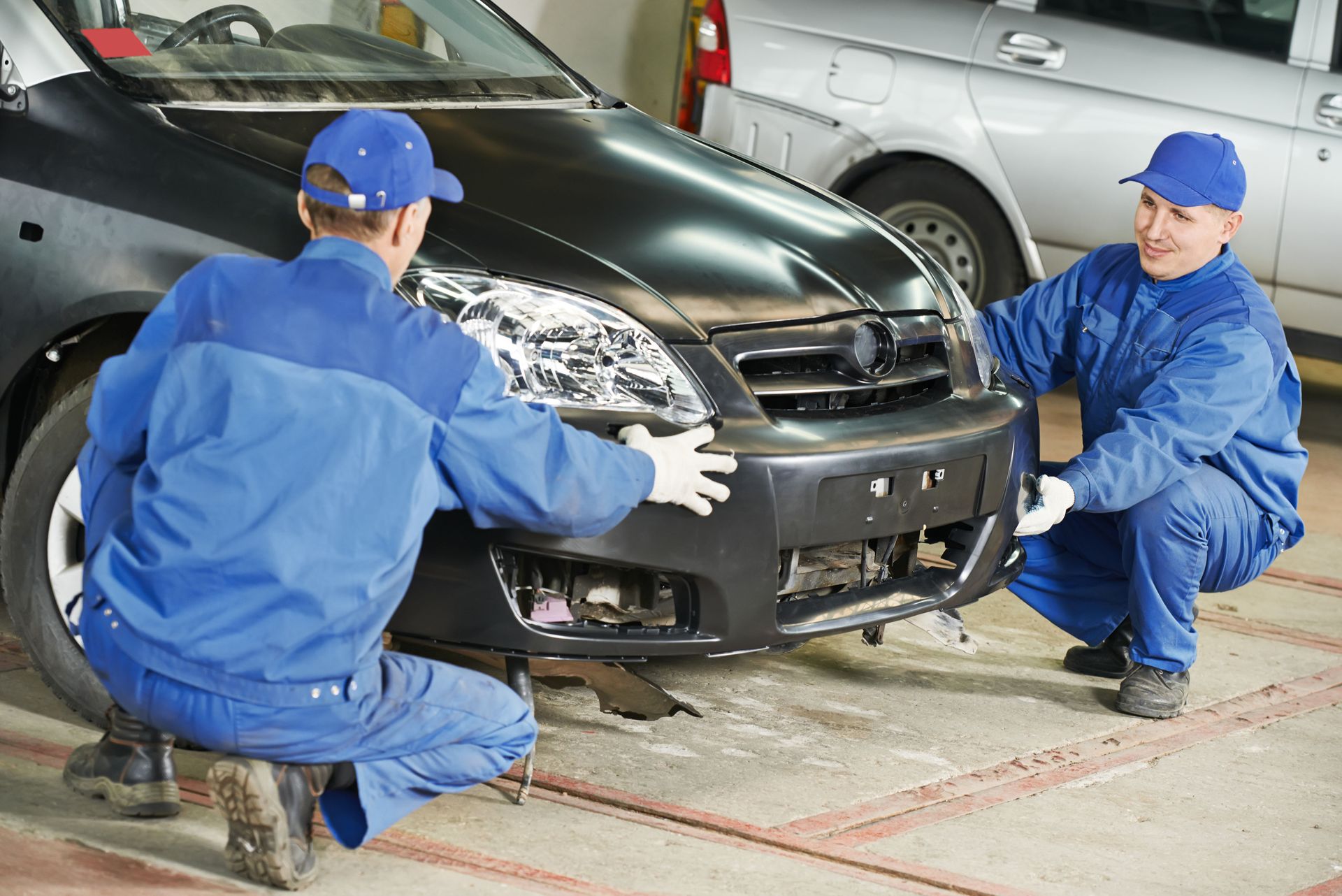
A critical decision in the auto collision repair process is choosing between OEM (Original Equipment Manufacturer) and aftermarket parts. OEM parts are made by the vehicle’s manufacturer and match the original specifications. Aftermarket parts, however, are manufactured by third parties and may vary in quality and price. Facilities often offer both options, with OEM parts generally being more expensive but ensuring perfect fit and function. Discussing these options with your repair shop can clarify which might be the best choice for your repair and budget needs.
The quality and compatibility of the parts used in repairs play a vital role in long-term vehicle performance. High-quality parts ensure the vehicle functions as intended and may solve compatibility issues inherent with lower-quality alternatives. Compatibility not only impacts vehicle performance but can affect safety, especially in cases of intricate systems like braking or steering. Using compatible parts helps maintain vehicle reliability and safety in all driving conditions. Costs may tempt some to choose cheaper parts, but quality should ultimately prevail to safeguard vehicle integrity.
When evaluating the cost versus benefit of different parts, it’s essential to assess long-term implications. OEM parts generally assure better longevity and compatibility but come at a higher cost. Aftermarket parts, while more cost-effective, may not offer the same durability or performance standards. Analyzing these trade-offs helps in making an informed decision tailored to your specific needs. Consulting with knowledgeable technicians can offer insights into which parts offer the best value for your vehicle repairs while considering potential trade-offs.
Part warranties often vary between OEM and aftermarket options, impacting the decision-making process. OEM parts typically carry longer warranties as manufacturers stand by their durability and quality. Aftermarket warranties, however, might not be as comprehensive, with variable terms based on the manufacturer's reputation and part type. Understanding these warranty differences is crucial in gauging the long-term assurance each option provides. Warranty applicability and reliability can sway the decision toward selecting parts that align with one’s risk tolerance and need for peace of mind.
Navigating the aftermath of an auto collision can be overwhelming, but asking the right questions can make the repair process far more manageable. Understanding a repair shop’s certifications, technician experience, and manufacturer training ensures that your vehicle is in capable hands, while gaining insight into the repair process clarifies what to expect at each stage—from damage assessment to final inspection. Equally important is discussing the type and quality of parts used, weighing the benefits of OEM versus aftermarket options, and considering warranties for long-term reliability. By being informed about these critical aspects, vehicle owners can make confident decisions that balance safety, performance, and cost-effectiveness. Contact Haywood's Autocrafters Collision Center to schedule repair maintenence on your vehicle today!