January 7, 2026
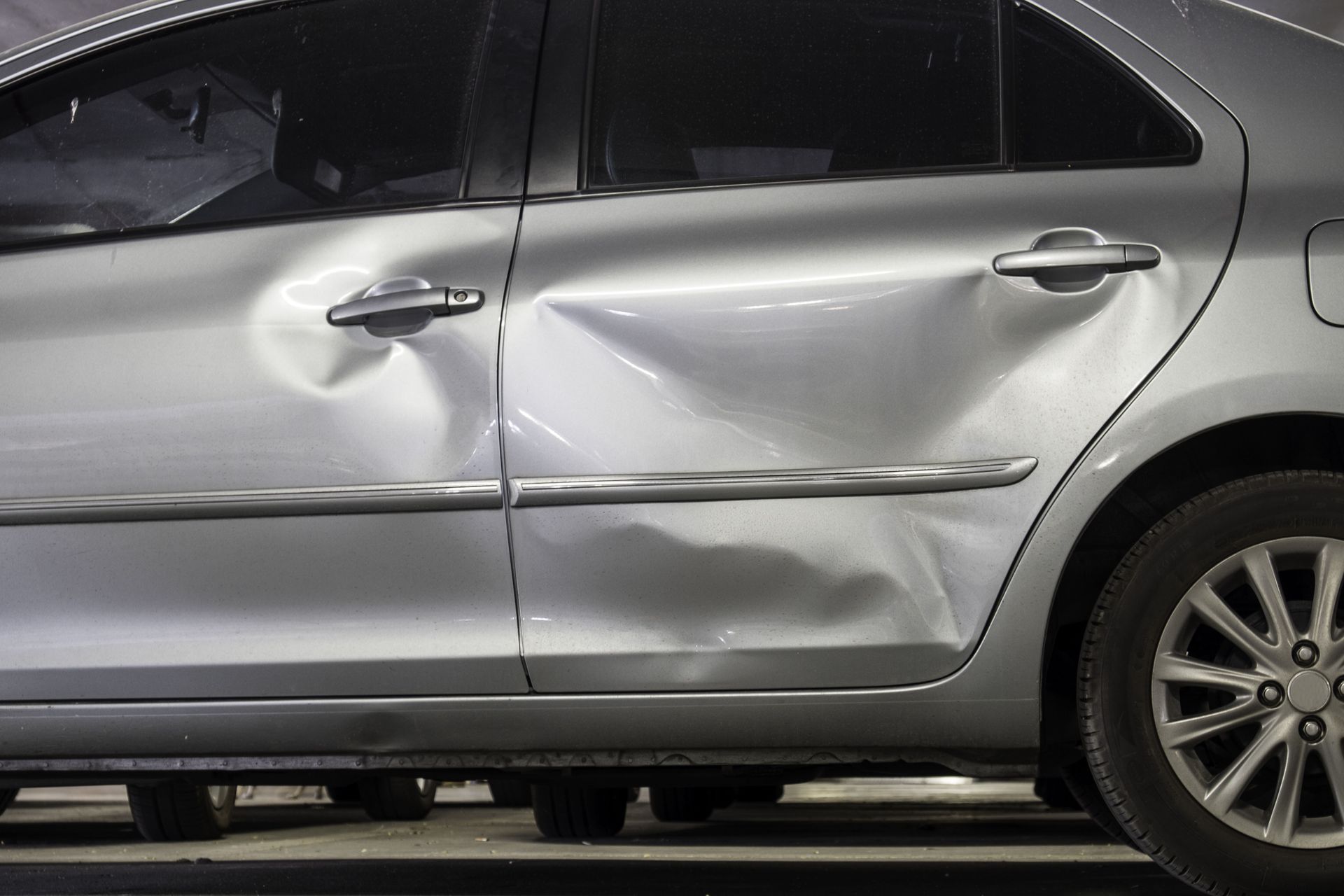
Paintless dent repair (PDR) is a highly specialized method for fixing minor dents, dings, and creases without altering a vehicle's original paint finish. Skilled technicians employ precise tools and techniques to manipulate the metal back into its original form. Unlike conventional repairs that require sanding, filling, or repainting, PDR relies solely on the malleability of automotive metal and the technician's expertise. By carefully accessing the damaged area through body panels or using glue-pulling methods, PDR provides a seamless restoration that preserves the car's factory finish. For vehicle owners seeking both quality and cost-effectiveness, PDR has become an essential solution in modern auto care.
How Paintless Dent Repair Differs from Traditional Methods
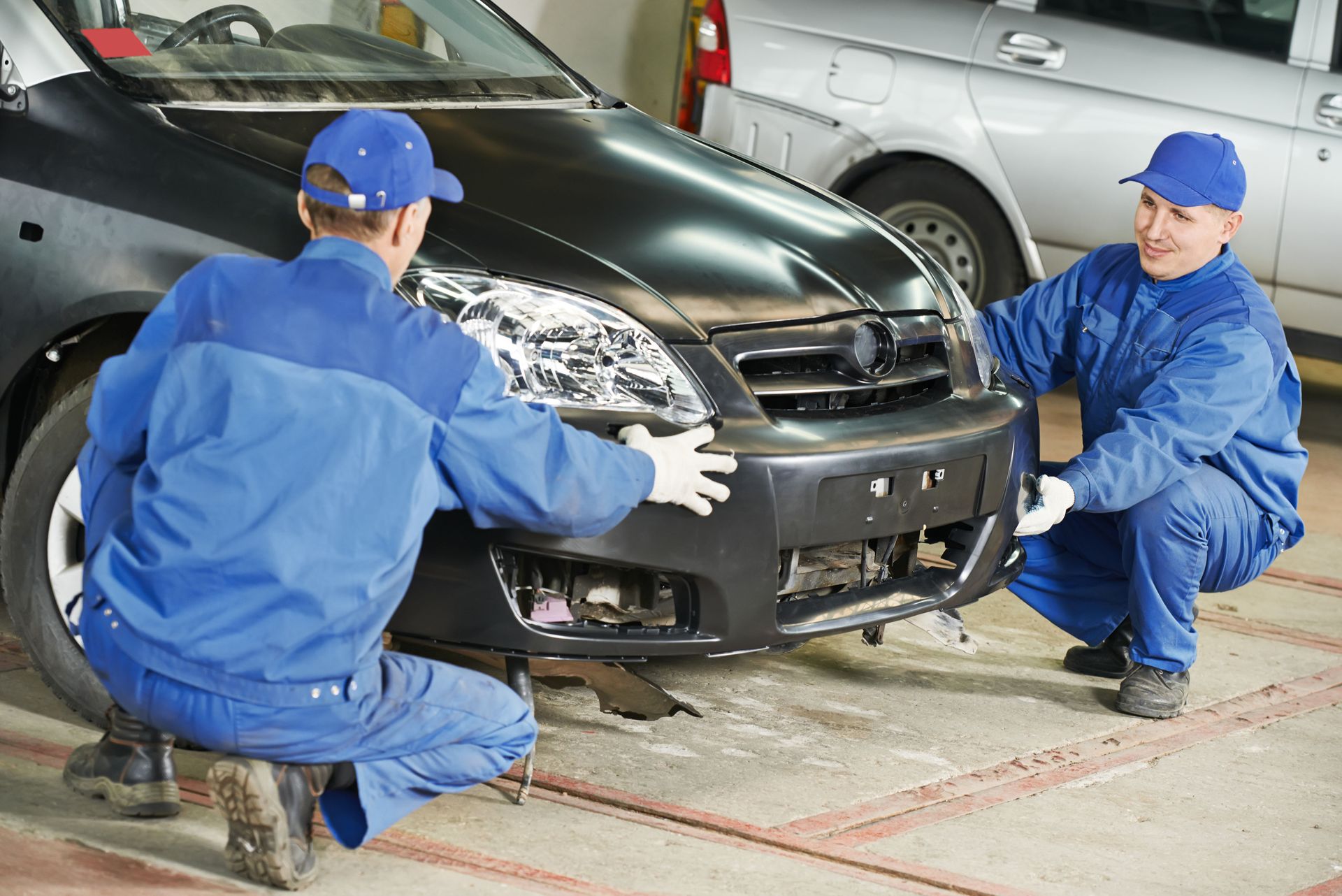
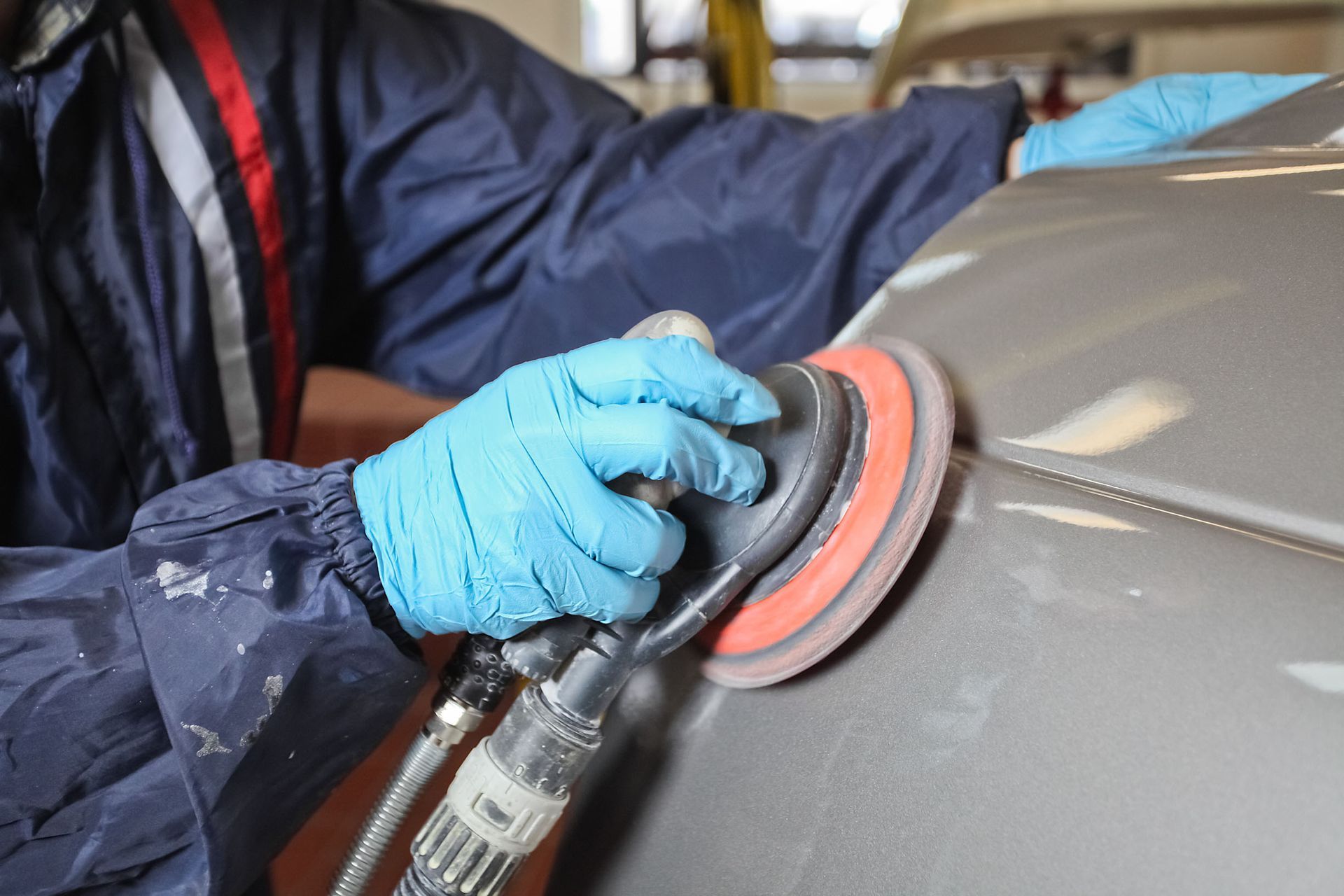
Traditional dent repair typically involves multiple labor-intensive steps: sanding down the area, applying body filler, repainting, and blending to match the original finish. This process is often time-consuming, expensive, and can compromise the vehicle's original paint integrity. Paintless dent repair, in contrast, restores dents without the need for additional materials or paint. By using specialized rods, glue pulling systems, and light reflection tools, PDR offers a non-invasive alternative that maintains the factory finish. Additionally, PDR is environmentally friendly, as it minimizes chemical waste and reduces the carbon footprint associated with conventional auto body repairs.
The History and Evolution of Paintless Dent Repair
Paintless dent repair has a rich history dating back to the 1930s when it was initially used in automotive factories to correct minor defects on new cars. By the 1960s, repair shops began to adopt PDR for consumer vehicles, and over time, it has evolved into a precise, reliable repair method. Technological advancements in tools, lighting, and imaging have increased its efficiency and accuracy. Certification programs for technicians have also standardized skill levels, ensuring consistent, high-quality results. The evolution of PDR illustrates its adaptability and the industry's recognition of its value as a cost-effective and environmentally responsible repair solution.
The Tools and Techniques of Paintless Dent Repair
PDR relies on a variety of specialized tools designed to manipulate metal surfaces without damaging the paint. Dent removal rods, body picks, and extension tools allow technicians to access panels from behind and gradually massage the dent out. Glue pulling systems attach adhesive tabs to the dent and gently lift it using a pulling device. Light reflection boards help identify subtle irregularities in the surface, ensuring precision throughout the repair. Advanced tools, such as hail rods, crease tabs, and knockdown tools, allow for more complex repairs. The combination of skilled craftsmanship and specialized equipment ensures that PDR can address a wide variety of dent types while maintaining a flawless finish.
The Science Behind Paintless Dent Repair
The effectiveness of PDR lies in understanding the material properties of automotive metals. Vehicle panels are designed to endure minor impacts and possess a degree of elasticity that allows for shape restoration. Technicians apply controlled pressure to manipulate the metal, carefully coaxing it back to its original contour. Temperature control can also play a role; warming the area slightly increases metal pliability, reducing the risk of cracking paint. Imaging systems and precision measurement tools further enhance accuracy, allowing technicians to evaluate depth, angle, and radius of dents. This blend of skill, science, and technology ensures durable, high-quality repairs.
The Benefits of Paintless Dent Repair
Paintless dent repair offers numerous benefits over traditional repair methods. It is cost-effective, faster, and preserves the vehicle's original finish. By avoiding fillers and repainting, PDR reduces repair costs and minimizes environmental impact. According to AAA, nearly 9 out of 10 minor dents and dings can be repaired using PDR, highlighting its effectiveness and reliability. PDR also enhances resale value by maintaining a flawless factory finish, providing a non-invasive solution that retains both aesthetic appeal and structural integrity. Its efficiency, affordability, and environmentally friendly nature make it a preferred choice for vehicle owners worldwide.
Cost-Effectiveness of Paintless Dent Repair
Choosing PDR can save significant costs compared to conventional methods. Traditional repairs require fillers, paint, and extended labor, which can quickly add up. PDR minimizes material use and reduces labor hours, making it more affordable without compromising quality. Insurance companies increasingly support PDR because of its efficiency and lower claim costs, making it a practical option for policyholders. In addition to immediate savings, PDR helps maintain resale value by keeping the vehicle's original finish intact. This financial advantage makes paintless dent repair an appealing solution for both individuals and businesses looking to manage repair expenses effectively.
Time Efficiency of Paintless Dent Repair
PDR offers significant time-saving benefits, often completing repairs in just a few hours. Conventional bodywork may take days or even weeks due to sanding, filling, painting, and curing processes. The efficiency of PDR minimizes downtime, allowing car owners to return to their daily routines quickly. Fast repairs are particularly beneficial for professionals who rely on their vehicles for work, such as delivery drivers, rideshare operators, or sales representatives. Same-day service is often possible, ensuring convenience while maintaining high-quality results. The combination of speed and precision makes PDR a highly attractive option for minor auto body repairs.
Preservation of Original Paintwork with Paintless Dent Repair
Preserving the vehicle's original paint is one of PDR's most significant advantages. Maintaining the factory finish not only protects the car's aesthetic value but also prevents future corrosion and paint mismatches. Traditional methods, which require repainting, can compromise paint integrity and create noticeable differences. PDR maintains the original look, ensuring that vehicles retain their professional appearance and appeal. Preservation of paint also supports higher resale value, as buyers often prefer cars that have not undergone extensive repainting. By retaining the factory finish, PDR ensures vehicles look their best while maintaining structural protection.
Environmental Benefits of Paintless Dent Repair
Paintless dent repair is an eco-conscious alternative to traditional dent repair methods. By eliminating the need for paint and fillers, PDR significantly reduces volatile organic compound (VOC) emissions, which are harmful to both the environment and human health. It also minimizes material waste and energy consumption, as repair shops do not require extensive use of spray booths or ovens. Noise pollution is also reduced because the process relies on manual manipulation rather than power tools. PDR aligns with sustainable automotive practices, allowing vehicle owners to make environmentally responsible repair choices while achieving high-quality results.
Resale Value Advantages of Paintless Dent Repair
Maintaining a vehicle's original condition directly impacts its resale value. Paintless dent repair ensures that dents are removed without repainting or invasive procedures, preserving the factory finish. Buyers perceive vehicles with intact original paint as well-maintained and trustworthy, often commanding higher prices. Traditional repairs may leave visible signs or mismatched paint, reducing resale appeal. PDR's ability to restore the car's appearance without compromising its history makes it an ideal solution for those looking to maximize value. Vehicles repaired using PDR demonstrate careful ownership and attention to maintenance, enhancing long-term investment returns.
Addressing Common Misconceptions About Paintless Dent Repair
Despite its growing popularity, some misconceptions about PDR persist. Many assume it is suitable for all dents, but PDR is most effective for minor dents where paint is intact. Severe damage, deep creases, or areas with chipped paint may require traditional bodywork. Another misconception is that PDR is a new or experimental technique; in reality, it has been in practice for decades and continues to evolve with technology. Understanding these distinctions helps car owners make informed choices and ensures realistic expectations for repair outcomes. When used appropriately, PDR delivers superior results compared to traditional methods.
Choosing a Professional Provider for Paintless Dent Repair
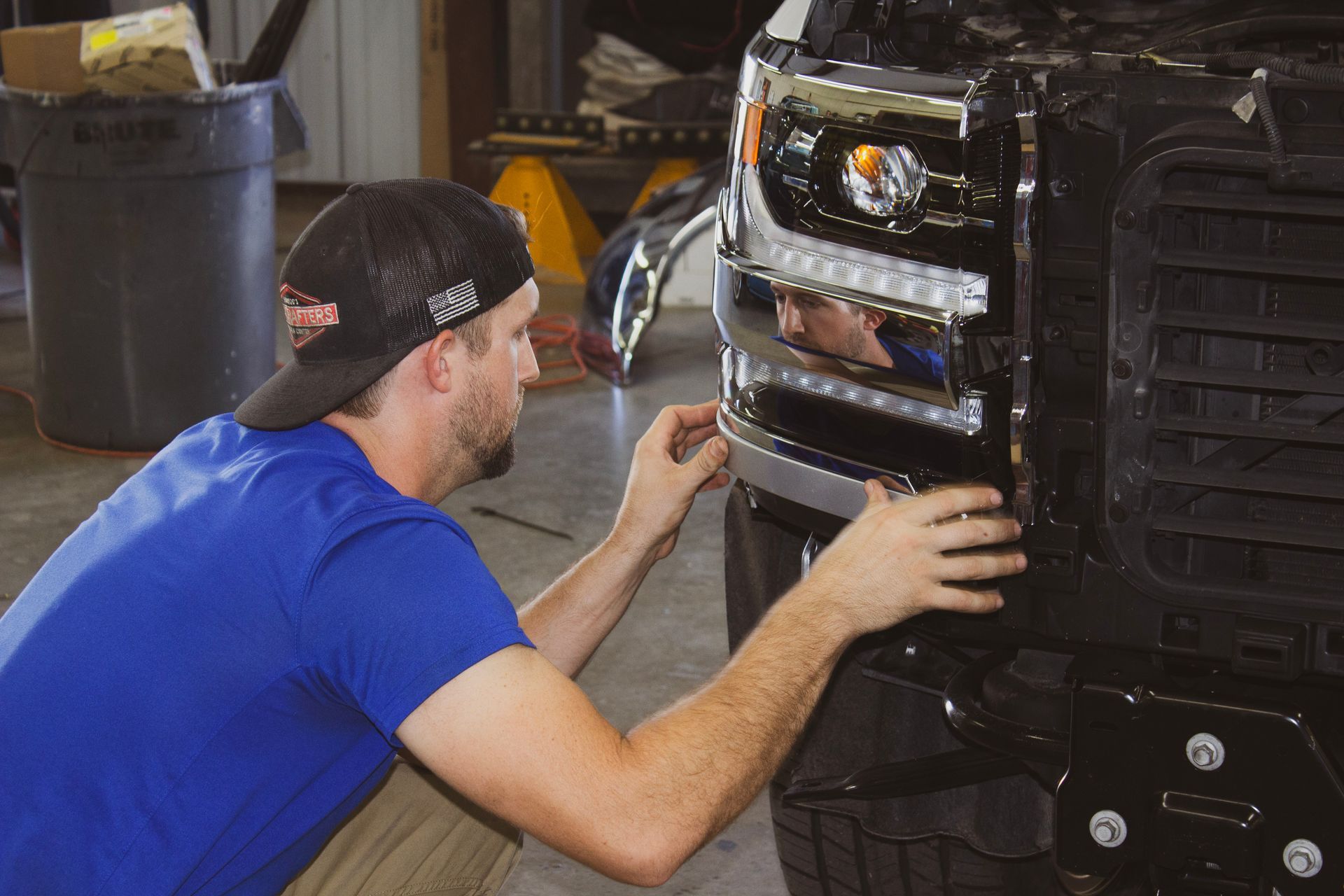
For optimal results, selecting an experienced and certified technician is essential. Skilled professionals possess the expertise to assess damage accurately, choose the appropriate tools, and perform precise repairs. Proper training ensures the repair maintains the vehicle's appearance, structural integrity, and resale value. By trusting experienced providers, car owners can enjoy seamless, high-quality outcomes that extend the vehicle's lifespan. For reliable and professional service, Haywood's Autocrafters Collision Center offers expert paintless dent repair, combining precision, efficiency, and customer satisfaction in every repair. Their team ensures that your vehicle receives the care it deserves, restoring it to pristine condition while saving time and money.