December 3, 2025
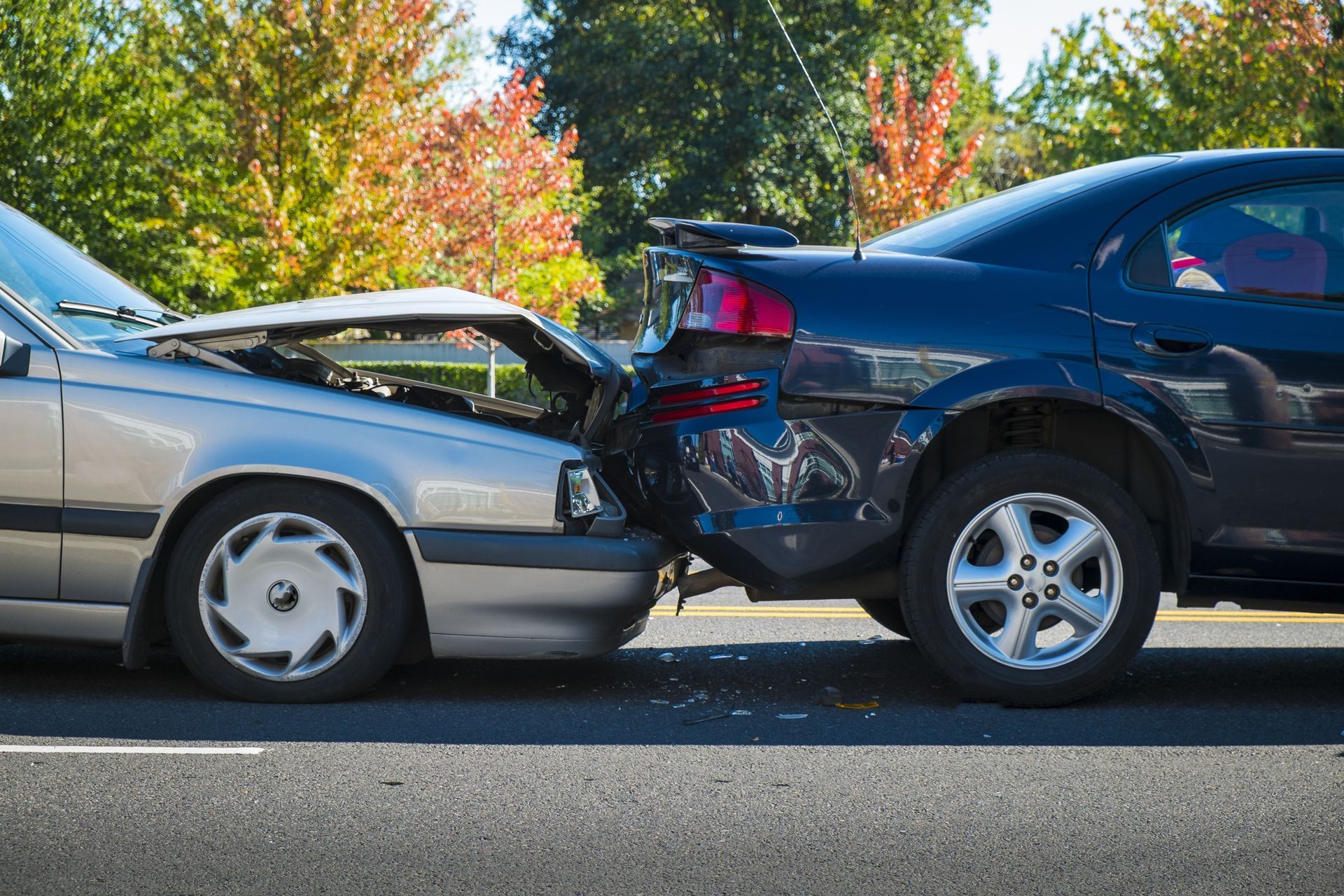
When you've just been in a crash, the last thing you need is added stress. Yet many drivers feel overwhelmed when it's time to choose a shop and move forward with repairs. Understanding what to ask can make the entire process smoother and help you feel more confident in your decisions. According to Amica Insurance, around 1.7 million rear-end collisions take place in the U.S. each year, which means countless drivers face these same choices. The more prepared you are, the easier it becomes to protect your vehicle, your time, and your wallet.
Auto collision repair isn't only about fixing dents or replacing panels. It's about restoring your car's safety, value, and reliability. Asking the right questions helps you find a trustworthy shop, avoid surprise costs, and get your vehicle back on the road without sacrificing quality. The questions below will guide you through the essential points every driver should cover with a repair facility.
1. Are You Certified and Experienced With My Type of Vehicle?
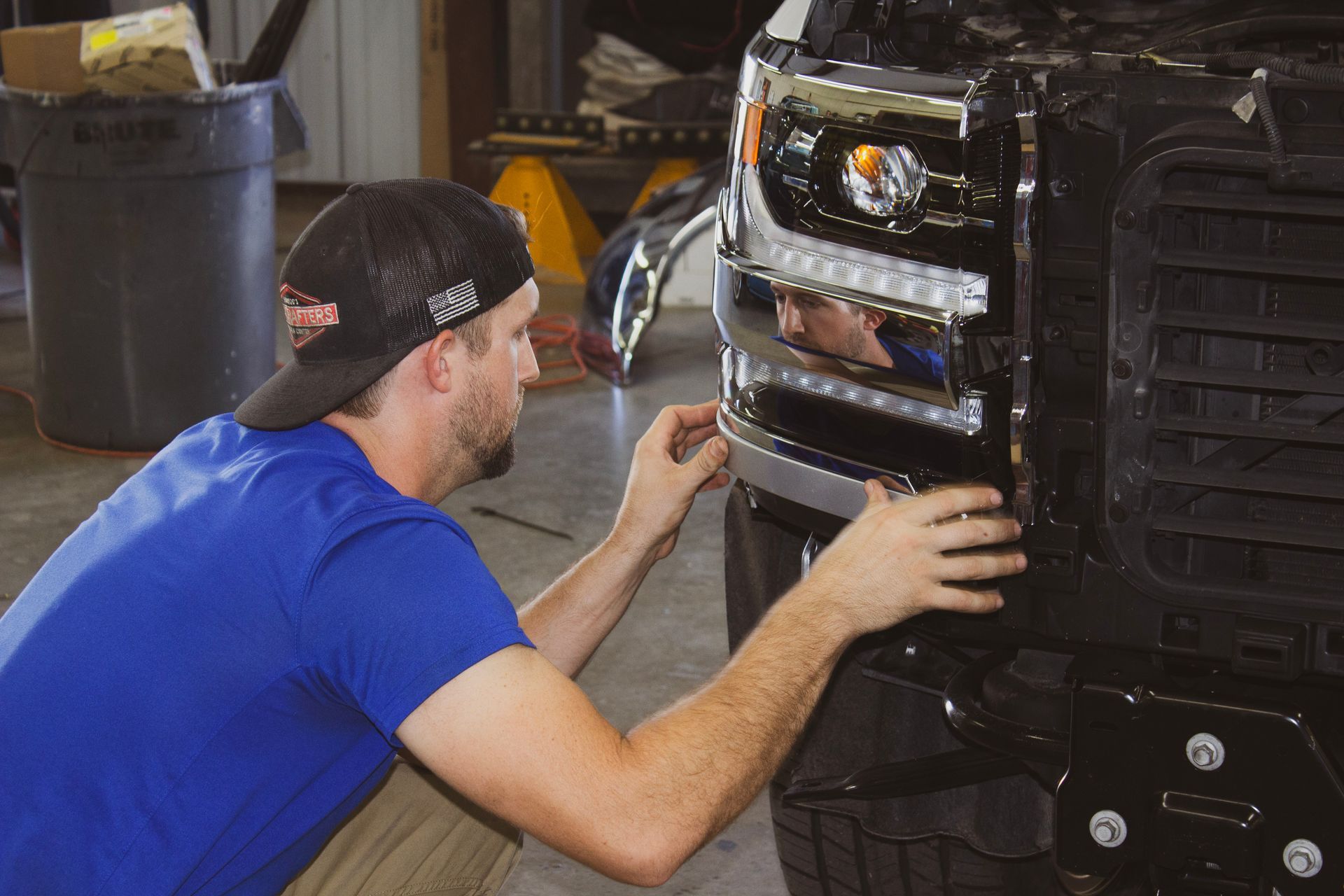
Experience and certifications are among the biggest indicators of a shop's reliability. Not all vehicles are the same, and modern models, especially luxury, hybrid, and electric cars, often require specialized training and equipment. When you're evaluating auto collision repair shops, ask whether their technicians have specific certifications. These credentials show that they've been trained in up-to-date repair standards.
Additionally, find out how often they work on vehicles like yours. A shop that regularly repairs your make and model will likely understand its structure, materials, and safety systems better than a general shop. This can help you avoid shortcuts and mismatched parts that could affect performance over time.
2. Can I See a Detailed Repair Plan Before the Work Begins?
A professional shop should be willing to walk you through a complete estimate and repair plan. This should include parts, labor, paint work, timelines, and any additional steps required, such as internal diagnostics or frame straightening. Getting the full picture upfront helps you compare prices, spot anything unclear, and understand what your vehicle genuinely needs.
Some shops rely on advanced estimating tools to assess hidden damage more accurately. Ask how their assessment works and whether they update your estimate if new issues are discovered. Auto collision repair can reveal additional problems once panels are removed, so you want a clear process for communication and approval before any extra work begins.
Beyond understanding the steps involved, it also helps to ask how the shop prioritizes transparency throughout the process. A reputable auto collision repair facility should be willing to show you photos, measurement reports, or diagnostic findings that support each recommended repair. This level of clarity helps build trust and lets you feel confident that you're approving work your vehicle genuinely needs. It also makes it easier to compare estimates between shops because you're reviewing detailed, itemized information instead of vague descriptions that leave room for confusion.
3. Do You Use OEM or Aftermarket Parts?
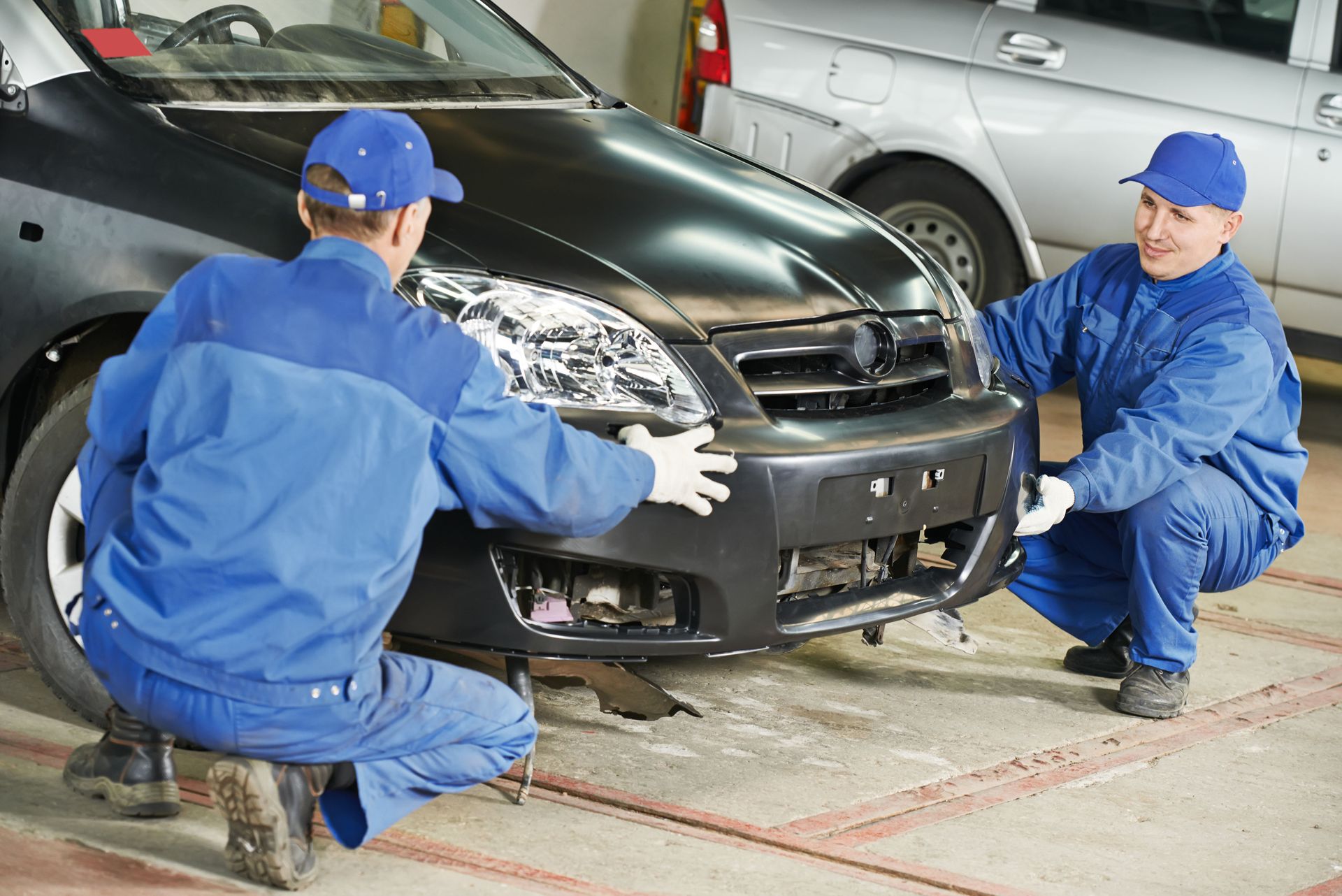
Not all replacement parts are created equal. Original Equipment Manufacturer (OEM) parts come directly from the car's manufacturer, while aftermarket parts are produced by third-party companies. OEM parts often offer a more precise fit and match the original performance of your vehicle. Aftermarket parts can sometimes be more affordable, but quality varies widely.
Ask your repair shop which one they prefer and why. Some insurance companies push for aftermarket parts to reduce costs, but you're allowed to ask about alternatives. For auto collision repair that maintains your car's resale value and safety, OEM components may be the better choice, especially for newer vehicles. Understanding your options helps you make the best decision for your situation.
4. How Will You Match the Paint to My Vehicle?
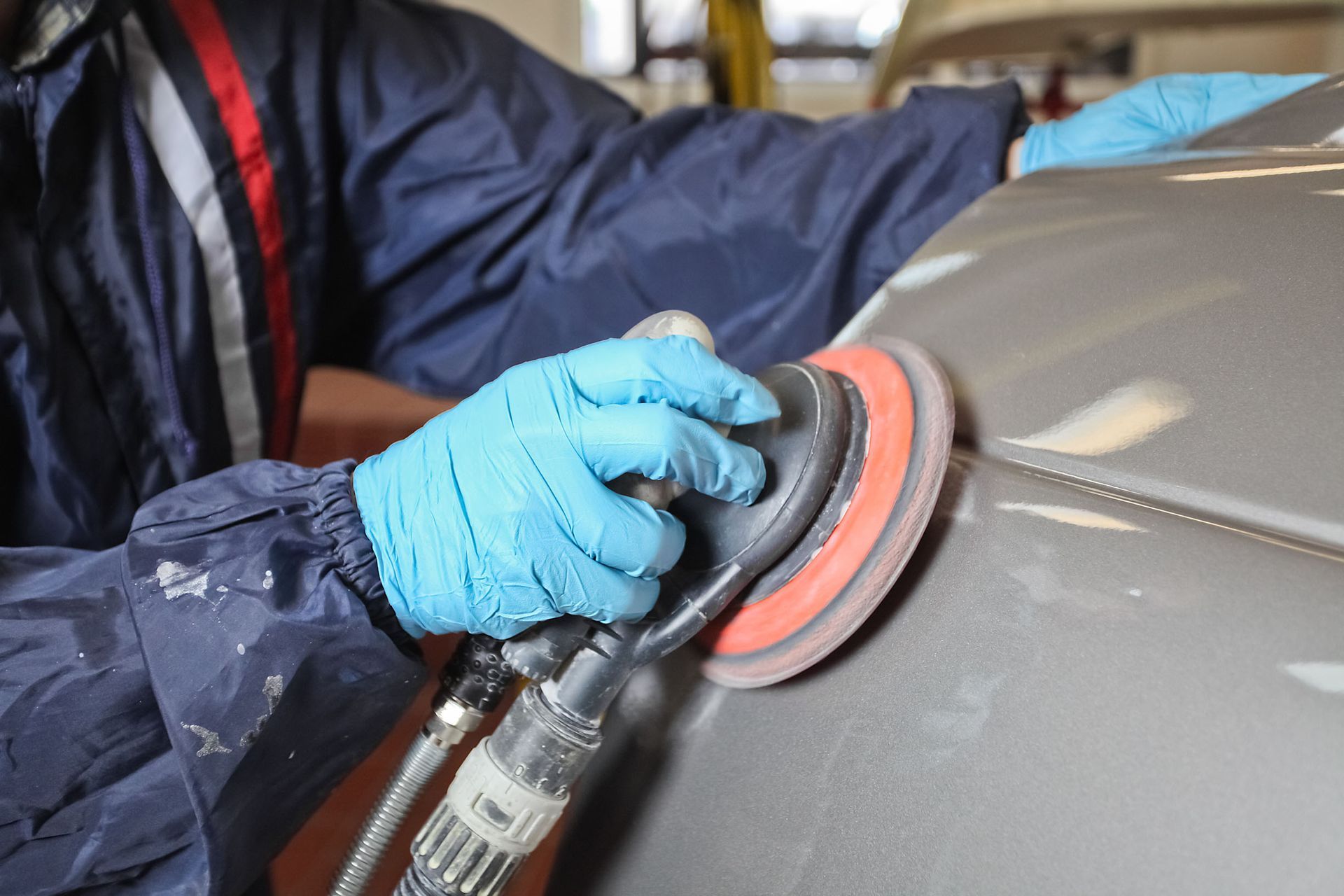
Color matching is one of the most delicate aspects of bodywork. Even a small mismatch can create an obvious patch that's noticeable in sunlight or from certain angles. A reputable shop will use advanced paint-matching technology, which is often a computerized system that scans the vehicle's current color and adjusts for age, weathering, and factory variations.
Ask about their paint process, the type of materials they use, and whether they blend paint into surrounding panels for a more seamless finish. Auto collision repair isn't just structural; aesthetics matter too, especially if you plan to keep the vehicle long-term or eventually sell it. High-quality paintwork is a major part of returning your car to pre-accident condition.
It's also worth asking whether the shop performs spray-out cards or test panels before committing to the final application. This small but important step allows technicians to compare the mixed paint against your vehicle under different lighting conditions, including sunlight, shade, and indoor shop lighting. Because even factory colors can shift slightly over time due to weather exposure, test panels help confirm that the blend is precise before the full paint job begins. This attention to detail protects the overall finish, supports long-term durability, and helps your auto collision repair look as seamless as possible.
5. What Kind of Warranty Do You Offer?
A reliable shop stands behind its work. Before choosing a facility, ask for details about its warranty. A strong warranty typically covers both parts and labor for a set period. Sometimes for the lifetime of the vehicle. This demonstrates confidence in their workmanship and gives you peace of mind if issues arise later.
Pay close attention to what's excluded. For example, some warranties don't cover rust repairs or aftermarket parts. Others may only apply if you follow certain maintenance guidelines. Warranty quality is a powerful indicator of the shop's professionalism and commitment to long-term customer satisfaction.
6. Will You Coordinate Directly With My Insurance Company?
Insurance can feel overwhelming after a collision, but many auto collision repair shops simplify the process by working directly with insurers. This can save you time, reduce back-and-forth communication, and help speed up your claim. Ask whether your shop handles communication, supplements, documentation, and billing on your behalf.
Direct repair program (DRP) shops may be pre-approved by insurers, but that doesn't automatically mean they're the only option. You have the legal right to choose where your repairs are done. If the shop isn't part of a DRP network, ask how they help customers through the process. A good shop will guide you clearly without leaving you confused about the next steps.
7. How Long Will the Repairs Take, and Do You Provide Updates?
Timelines for auto collision repair vary widely depending on the extent of damage, availability of parts, paint drying times, and insurance processing. While it's impossible to guarantee an exact date, the shop should give you a realistic timeframe and keep you updated along the way.
Ask whether they provide updates by phone, text, or an online portal. Some shops even send photos throughout the process, which helps you stay informed and confident about the progress. Also inquire about rental cars or loaner vehicles. If available, they can minimize disruption while your vehicle is being restored.
Auto collision repair requires trust, skill, and clear communication. By asking the questions above, you'll be better prepared to evaluate your options and choose a shop that treats your vehicle like it matters. Prioritize transparency, certifications, quality materials, and strong customer service. When you take the time to ask the right questions at Haywood's Autocrafters Collision Center, you protect your car's long-term value and give yourself peace of mind during an already challenging moment. You can get started today by asking us for a free estimate!